Addressing Post-TB Lung Disease in Bangladesh
The World Health Organization (WHO) has emphasized the importance of addressing TB-associated disabilities and the need for integrated care model. In Bangladesh, many patients with PTLD or TB-related disabilities do not seek adequate care, particularly in rural and underserved areas, leading to ongoing health challenges. Post-TB complications are increasingly recognized as major health issues, with Southeast Asia reporting 57.5% of PTLD patients globally.
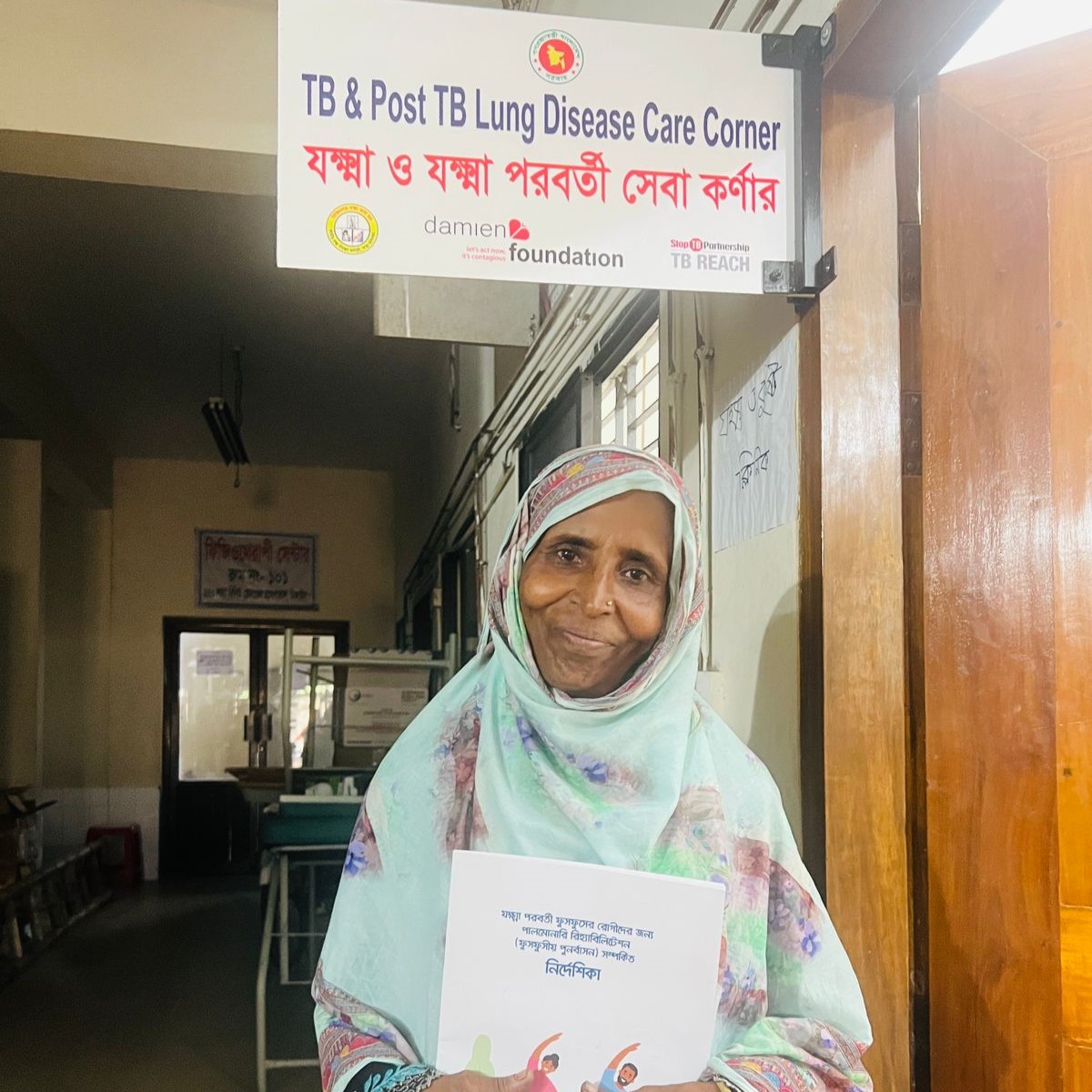
Integration of PTLD have been introduced into the existing TB services through a collaborative effort involving Damien Foundation, the National TB Program, (NTP, MBDC), and the Bangladesh Lung Foundation. The goal is to provide comprehensive care to TB patients and improve their quality of life by addressing the full spectrum of post-TB issues, from screening to rehabilitation.
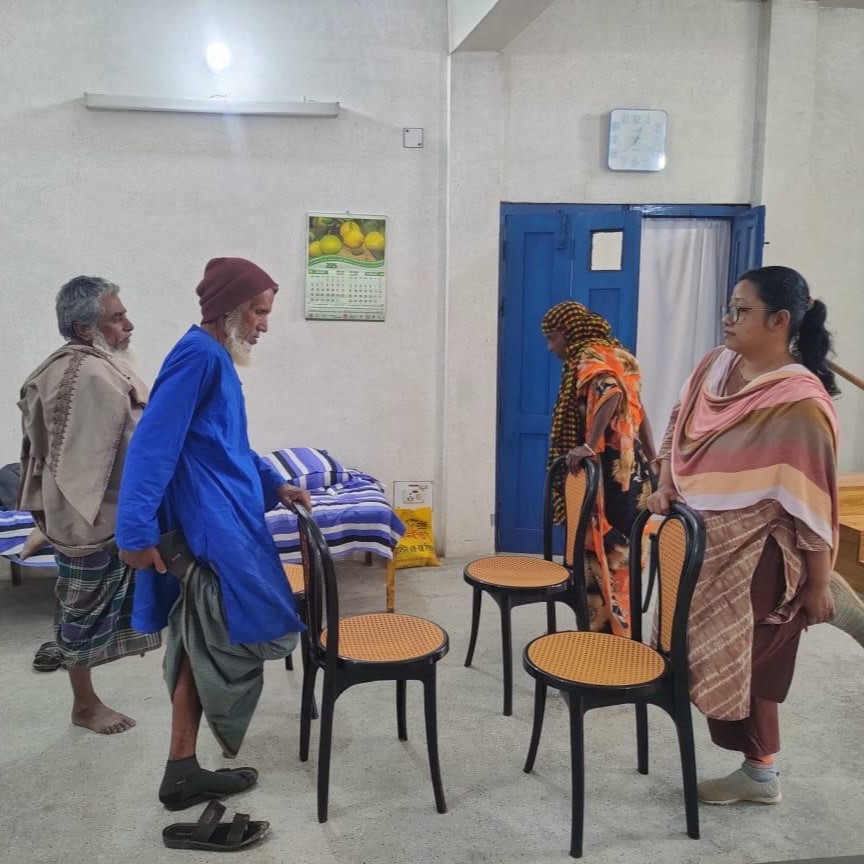
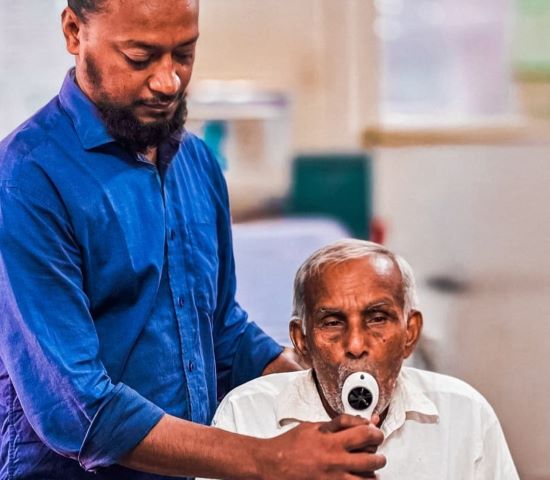
Damien Foundation, with the support of the TB REACH fund, with Bangladesh Lung Foundation (BLF) as technical partner initiated a project since September 2024, to address Tuberculosis Associated Disabilities and Post-TB Lung diseases in primary health care facilities of Bangladesh through an integrated approach. The project focuses on former TB who have successfully completed treatment within the last two years and ongoing cured TB patients. Field staff screen the target population and refer PTLD patients to local government health centers for clinical diagnosis. Basic Pulmonary Rehabilitation is provided at the community level to support patients with mild to moderate impairment. This approach is informed by emerging evidence from our work, which has been published in peer-reviewed journals, including the International Journal of Infectious Diseases, IJTLD Chronic Respiratory Disease (Read more).
PTLD screening with structured referral pathways and decentralized management and community-based pulmonary rehabilitation,- these approaches strengthens early identification and continuity of care—areas that are often limited in resource-constrained health systems. Importantly, the model can be aligned with existing health system structures, making it both cost-effective and feasible for scale-up within national TB programs. Given the high burden of tuberculosis and the emerging recognition of its long-term sequelae in South Asia, this approach offers a practical framework for integrating PTLD care into routine health services.